
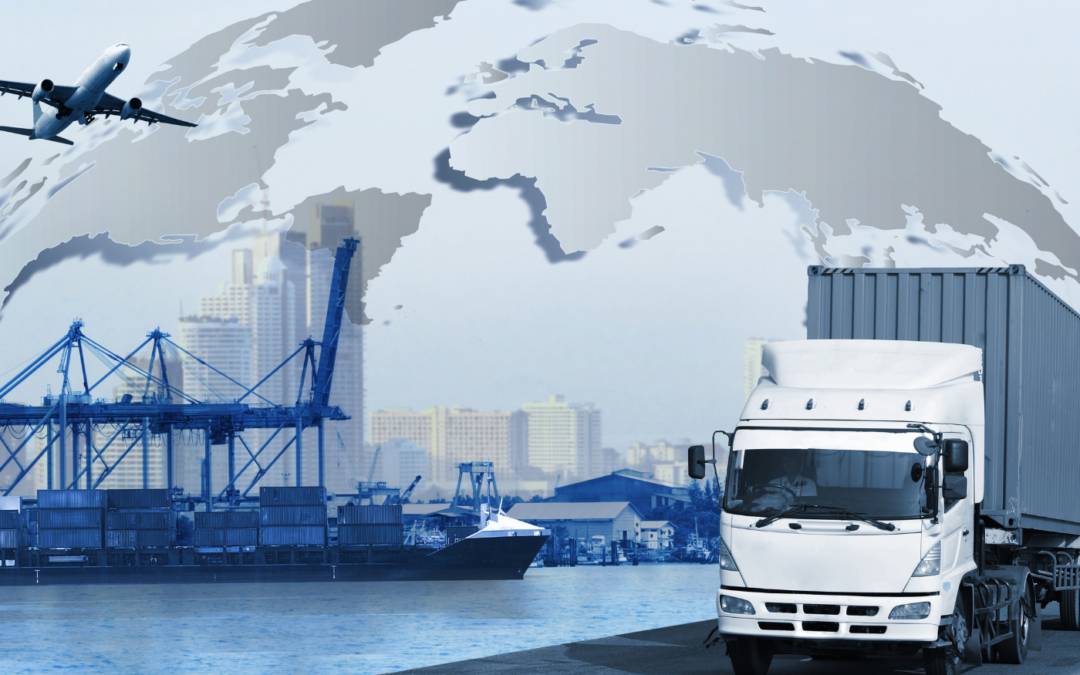
Weather conditions play a crucial role in the transport sector. Whether we're talking about daily routes, freight deliveries or large-scale logistics, the weather can have a direct impact on performance, costs and safety. In this article, we explore how weather forecasts influence carriers' decisions, the strategies they adopt to adapt, and the importance of integrating this data into logistics plans.
Impact of weather forecasts on different modes of transport
1. Road transport
Road transport is particularly sensitive to weather conditions. Episodes of snow, rain or dense fog can :
- Causing delays Slippery roads slow down traffic and can lead to accidents, disrupting planned itineraries.
- Increasing operating costs Snow tires, increased vehicle maintenance and fuel consumption in winter all put a strain on budgets.
- Influencing route choices : Drivers avoid risky routes thanks to regional forecasts.
2. Shipping
For shipping, the weather can have considerable repercussions:
- Rough seas and strong winds These conditions slow down navigation and increase the risk for transported goods.
- Maritime route planning : Companies use detailed forecasts to avoid storms.
- Logistics challenges Delays at sea often affect the entire supply chain.
3. Air transport
In air transport, weather conditions have a direct influence on flight safety and efficiency. The following factors must be taken into account:
-
Cancellations and delays Snow, thunderstorms or low visibility disrupt air traffic.
-
Fuel planning : Companies plan detours and adjust reserves.
-
Increased safety : Weather protocols require stricter controls for flights in difficult conditions.
4. Rail transport
Railways are also affected by the weather:
-
Frozen or flooded rails These problems require specific maintenance operations.
-
Disrupted schedules Storms can cause trees to fall or power cuts.
-
Preventive management Preventive management: Carriers adapt schedules and reinforce security in response to alerts.
How carriers adapt to weather forecasts
1. Using the technology
Carriers integrate advanced tools to forecast and react to weather conditions:
-
Intelligent GPS systems These tools suggest alternative routes in real time, depending on conditions.
-
Dedicated weather applications : They offer personalized forecasts and precise alerts.
-
Historical data analysis Companies study trends to anticipate recurring problems.
2. Contingency plans
Carriers implement flexible strategies to reduce the impact of weather disruptions:
-
Preventive storage Increase inventories close to sensitive areas to avoid stock-outs.
-
Reallocation of resources Mobilize more personnel or equipment in the event of extreme events.
-
Proactive communication Proactive communication: Inform customers promptly of expected delays.
3. Staff training
Companies are investing in employee training to better manage weather-related situations:
-
Driving in difficult conditions Training drivers in snow and ice driving techniques.
-
Managing the unexpected Learn to react quickly to disruptions.
-
Use of technological tools Technology tools: Familiarize teams with decision-support applications.
The importance of weather forecasts for efficient logistics
1. Improving safety
Taking weather forecasts into account reduces accidents and damage to goods. Adapted logistics guarantee better protection of goods and people.
2. Cost reduction
By optimizing routes and operations thanks to weather forecasts, companies minimize expenses linked to delays, cancellations and extra maintenance.
3. Improving customer satisfaction
Proactive planning helps maintain realistic deadlines, even in unpredictable weather conditions. This improves customer confidence and loyalty.
Future prospects
With technological advances and access to increasingly accurate weather data, carriers will be able to anticipate and react even better to climatic conditions. The integration of artificial intelligence (AI) into logistics systems promises adaptive solutions in real time.
Conclusion
Weather influences all aspects of transport and logistics. By integrating weather forecasts into their planning, carriers can improve performance, reduce costs and guarantee greater customer satisfaction. Adopting flexible strategies and advanced technological tools is the key to meeting the challenges imposed by weather conditions.